One, three, or five days of cold-pressed juice in a set sequence. Six bottles a day, pressed the morning they reach you, nothing added to any of them.
A single reset is useful. A rhythm is what actually changes how you eat. Subscribe and your programme arrives the same week every month, on the week you choose, without you having to remember.
Billed monthly. Skip or cancel anytime before your press cutoff.
Every program runs the same six bottles in the same order. Longer simply means more days of it.
A single day of produce. The easiest way to find out whether this suits you, and what most people repeat monthly.
Three days is where people notice the difference. Long enough to change how you eat afterwards, short enough to finish.
Five days, shots included. For people who have done this before and want the full stretch, or are resetting between seasons.
Every two and a half hours, from waking to bed. Whether you choose one day, three, or five, the sequence is identical, you simply repeat it. Bottles are numbered so there is nothing to work out.
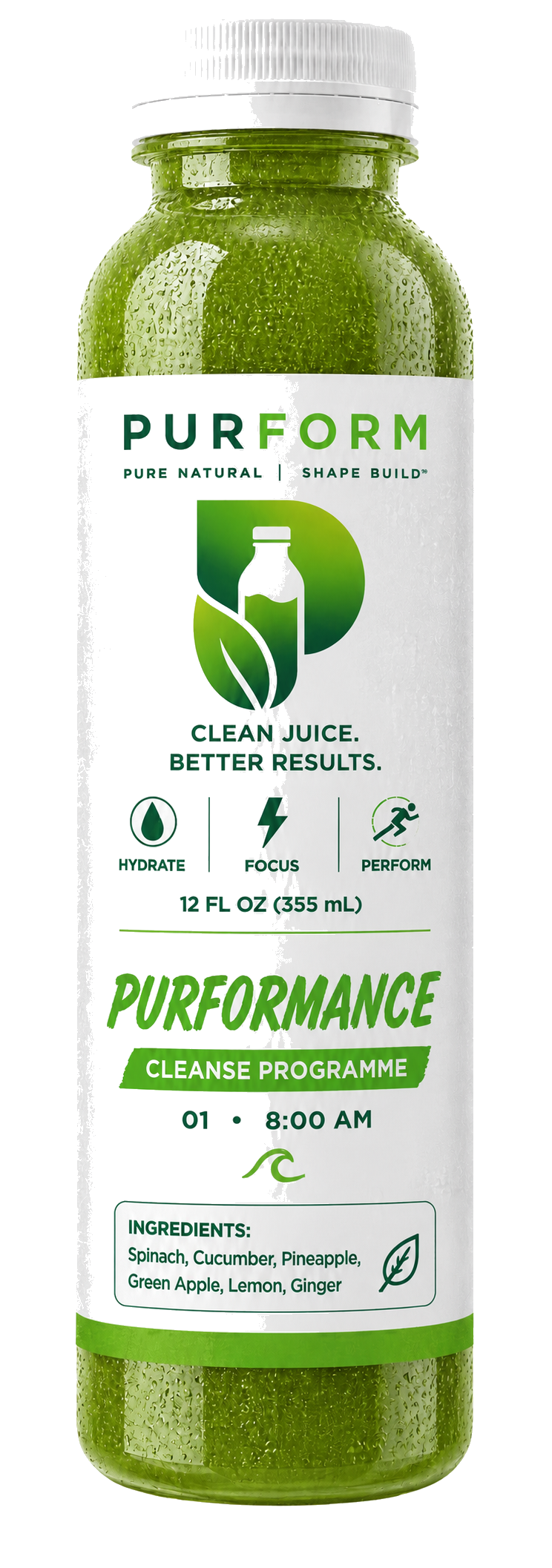
Spinach is the gentlest of the greens on an empty stomach. It is paired with pineapple and lemon for a reason: vitamin C sharply increases how much of spinach's iron your body can actually absorb.
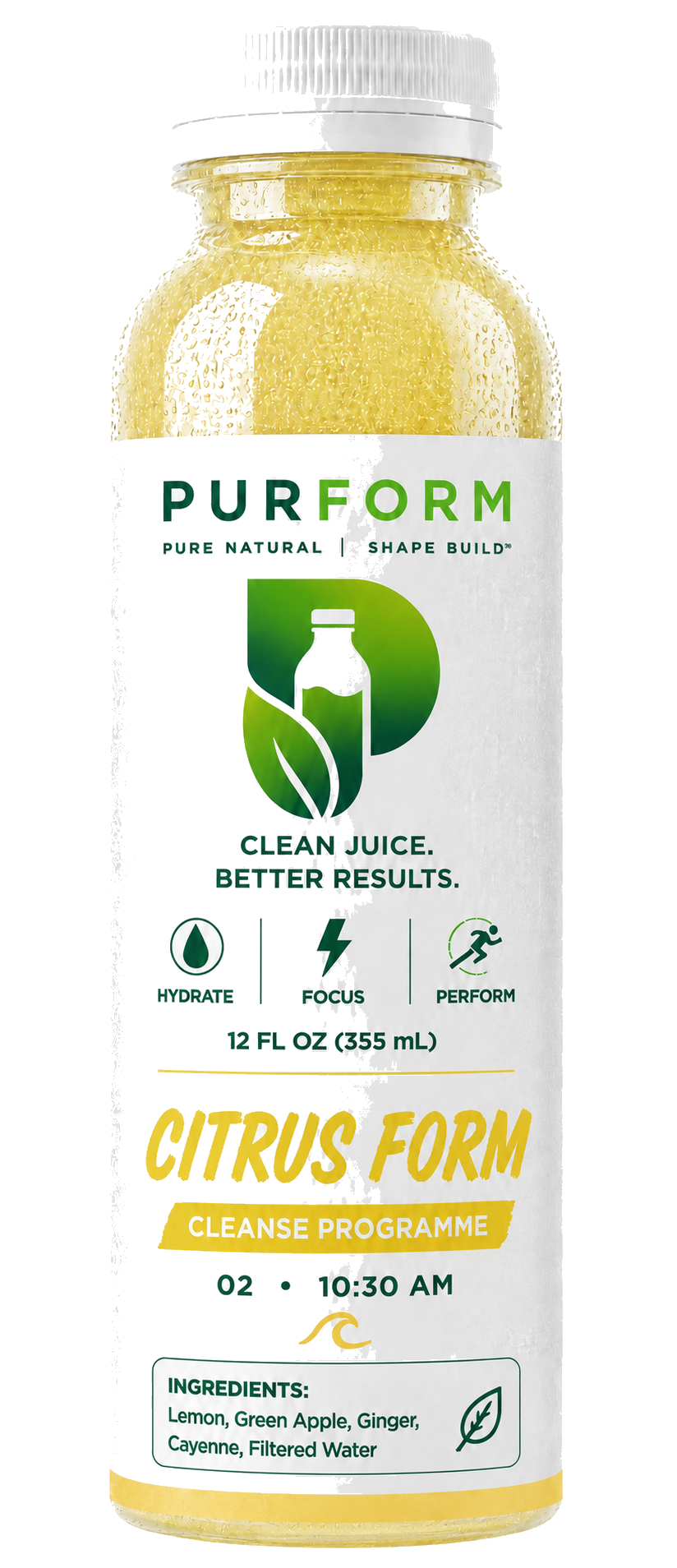
No greens in this one, deliberately. It is the palate break, and on day three it is the bottle people look forward to. Ginger and cayenne carry the heat.
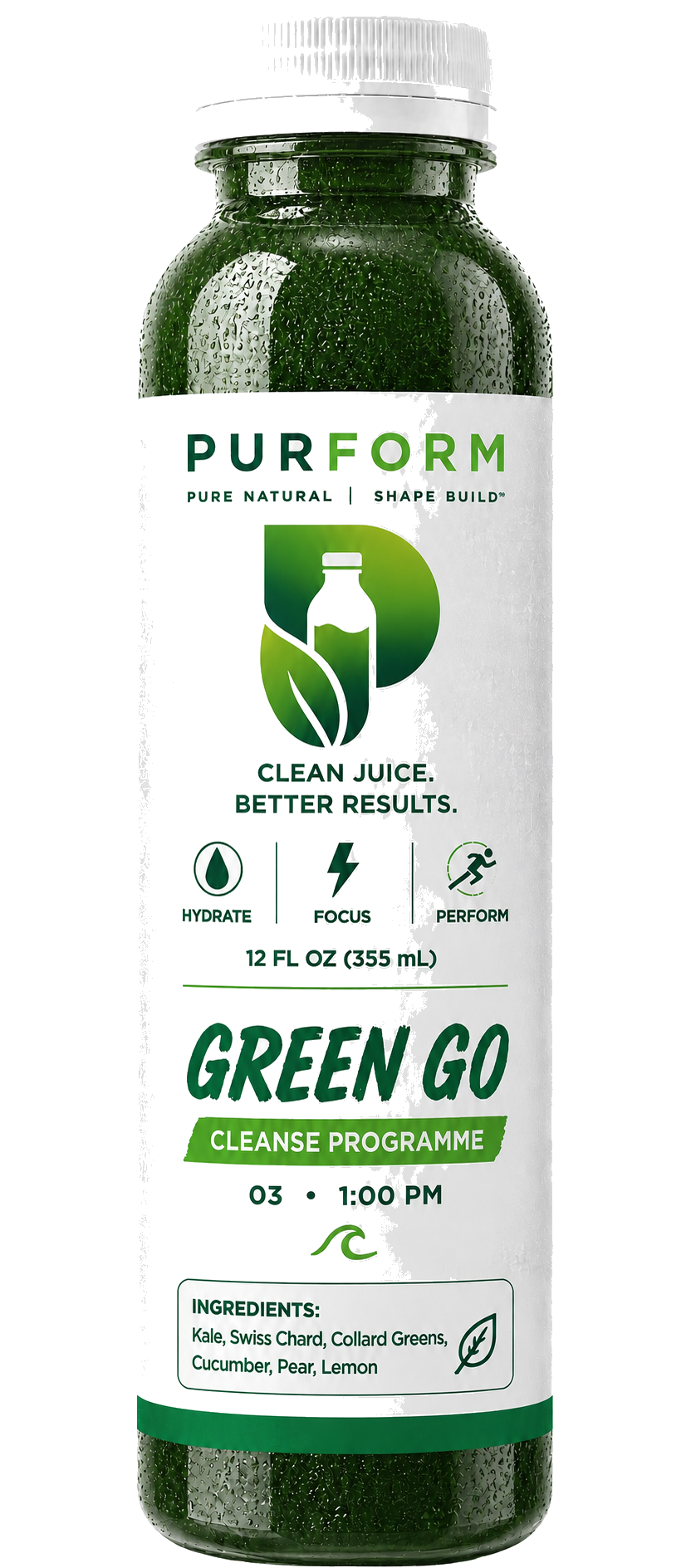
The heaviest bottle of the day, placed at lunch where you need substance. Kale for vitamins A, C and K, chard for magnesium and potassium, collards for calcium. Pear rather than apple, because it rounds the bitterness of cruciferous greens without fighting them.
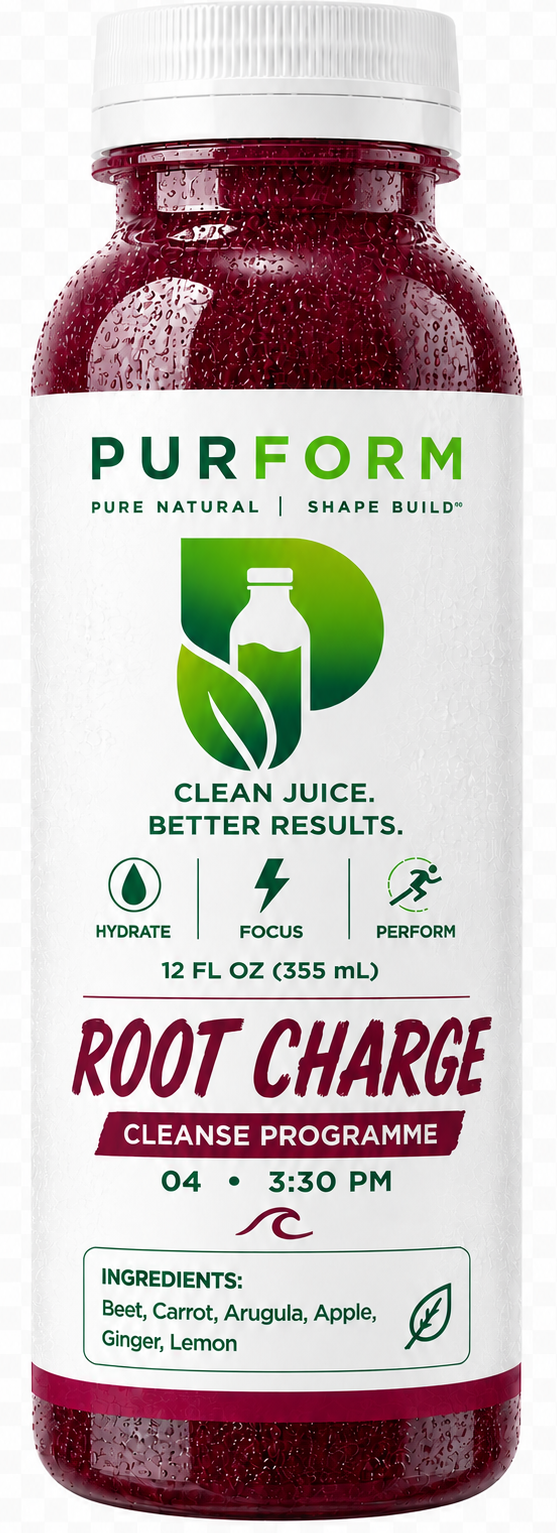
Two nitrate sources in one bottle. Arugula is among the highest-nitrate vegetables there is, often higher per gram than beetroot, and stacking the two lands right where the afternoon dips. Peppery arugula suits earthy beet on flavour as well.
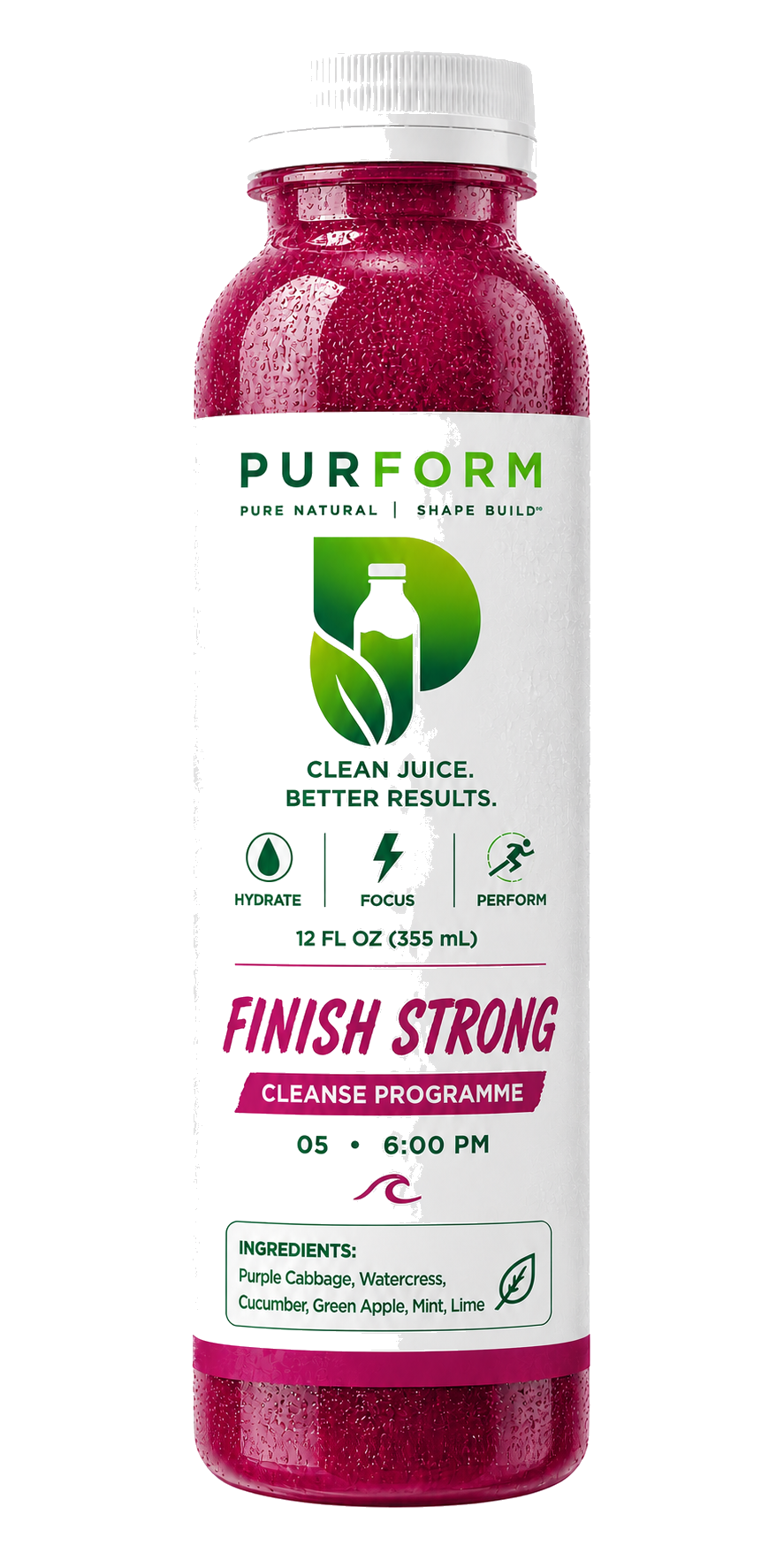
Deep magenta rather than green, which matters more than it sounds after five bottles of the same colour. Purple cabbage carries anthocyanins and vitamin C. Watercress in small amounts, mint and lime to keep it light into the evening.
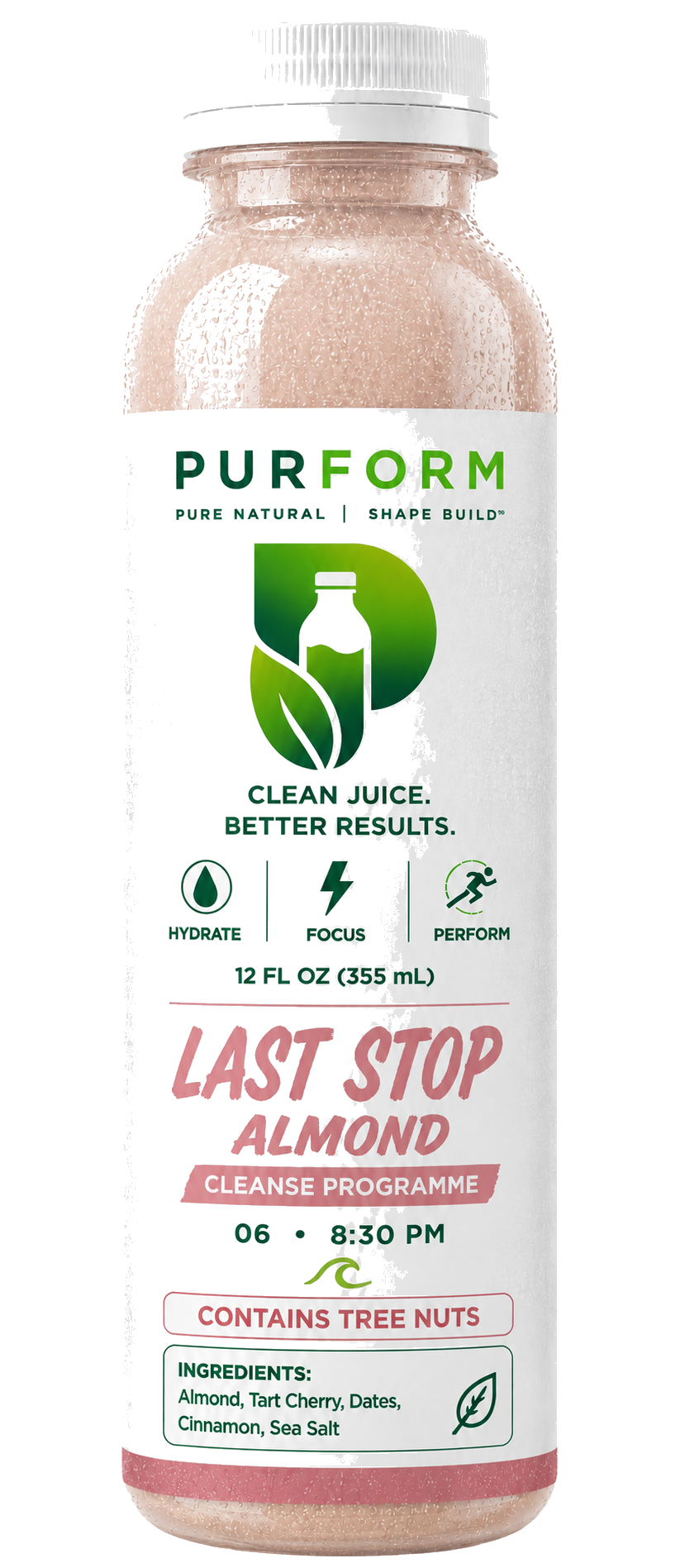
Rich enough to sleep on. Tart cherry is not just for flavour here: it contains melatonin and has real research behind it for sleep quality, which is exactly what an 8:30 bottle should be doing.
The evening bottle comes in three versions. Pick one when you order and it is the same every night of your programme.
All three are pressed with tart cherry, whole dates, cinnamon, and sea salt. Nothing else, and no added sugar, the dates are whole fruit rather than syrup.
A realistic day by day picture, so you can plan around it.
Ease off coffee, alcohol, and heavily processed food. The people who find a cleanse difficult are almost always the ones who went from four coffees a day to none overnight.
Usually fine, sometimes a headache in the afternoon, which is generally caffeine rather than anything else. Drink water alongside the juice, not instead of it.
The hardest day for most people. Hunger tends to come in waves rather than constantly. This is the day worth planning a lighter schedule around.
Most people report this being easier than day two. Whether that is physiological or simply knowing you are nearly finished, we would not want to overclaim.
Do not eat a large meal immediately. Start with fruit, vegetables, and soup for a day. This part matters as much as the cleanse and is the part most people skip.
Keep it light. Walking, mobility, easy swimming. This is not the week for a heavy block or a competition, and we would rather tell you that than sell you a bottle.
Research on juice and whole food nutrition is ongoing, and we would rather point you to what studies actually suggest than make promises. Here is what the evidence indicates.
Five of the six bottles in this programme contain cruciferous vegetables: kale, collard greens, Swiss chard, purple cabbage, watercress, and arugula. These carry compounds called glucosinolates, which the body converts into isothiocyanates including sulforaphane.
Research has shown these compounds may support the body's phase II detoxification enzymes, the systems your liver already uses to process and clear compounds. Studies suggest that supplying the raw materials your own detoxification pathways run on may help your body flush waste out, and it is one of the better studied areas in nutritional science.
Beetroot and arugula are among the highest nitrate vegetables there are, and both appear in Root Charge. Studies have found dietary nitrate may improve blood flow, oxygen efficiency, and performance in repeated high intensity effort. Effects in the research are modest but consistent across trials.
Tart cherry, blueberry, and purple cabbage are dense in anthocyanins. Meta analyses of tart cherry in trained athletes have found significantly improved recovery of muscle function and reduced soreness. Tart cherry also contains melatonin, and some studies suggest it may support sleep quality, which is why it appears in the evening bottle.
A juice programme replaces solid meals with considerably fewer calories, and most people weigh less at the end of one. Some of that is water and glycogen and returns when you eat normally. What research more consistently suggests is that structured resets may help people reset appetite and change eating patterns afterward, which is where lasting change tends to come from.
The clearest finding in all of nutritional science is that higher fruit and vegetable intake is associated with better health outcomes. A three day programme delivers the extractable content of a substantial quantity of produce, which for most people is well above a normal week.
These statements have not been evaluated by the Food and Drug Administration. This product is not intended to diagnose, treat, cure, or prevent any disease. Individual results vary.
You can, and plenty of people do. Adding raw vegetables, a piece of fruit, or a small portion of plain protein makes it far more sustainable, particularly on a five day programme. A cleanse you finish beats a stricter one you abandon.
At points, yes, most noticeably on day two. Juice has no fibre, so it does not fill you the way food does. Drinking water between bottles helps considerably.
We would suggest tapering off before you start rather than stopping dead. If you must have one, black is better than with milk and sugar. Herbal tea and water are unlimited throughout.
Once a month is a reasonable rhythm for the one day programme. For three or five days, most people do it a few times a year, often at the start of a season or after a stretch of eating badly.
Anyone pregnant or breastfeeding, anyone with diabetes or kidney disease, anyone with a history of disordered eating, and children. If you take medication or have a medical condition, speak to your doctor first. This is food, not treatment.
Three worth raising, because a programme this green is different from drinking one juice.
Blood thinners. Kale, collards, chard, and spinach are all very high in vitamin K, which interacts directly with warfarin. If you take an anticoagulant, speak to your doctor before starting.
Thyroid conditions. Kale, collards, cabbage, watercress, and arugula are all cruciferous. Eaten raw and in volume across several days, that is worth mentioning to your doctor if you have a thyroid condition.
Kidney stones. Spinach, chard, and beet are high in oxalates. If you have a history of stones, this is not the programme for you without medical advice.
None of this applies to most people. We would rather say it plainly than leave it out.
Everything arrives at once, chilled, the morning your programme starts. Refrigerate it immediately. Each bottle is numbered so you know the order, and a printed schedule comes with it.